From workarounds
to systems.

Custom websites, software, automation, and integrations. We start with how your business really runs, then turn orders, spreadsheets, and messages into tools that work together.

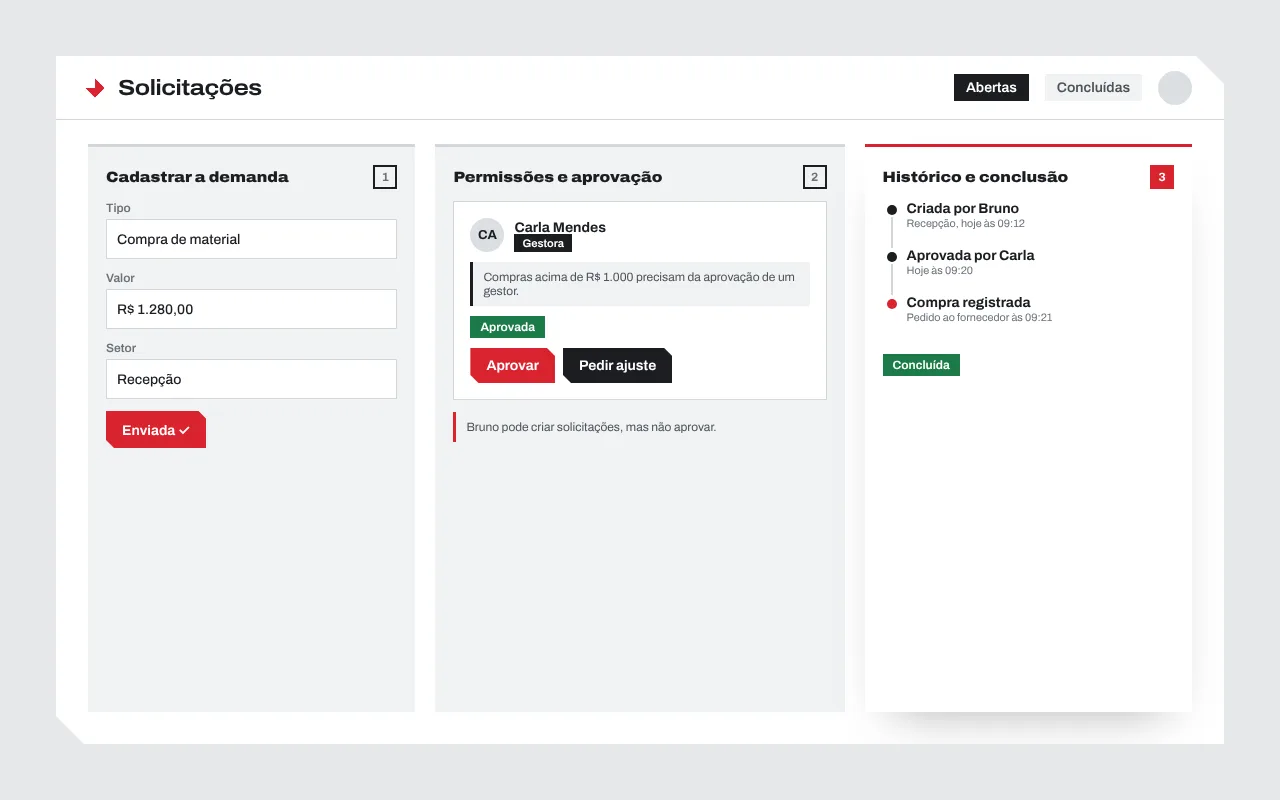
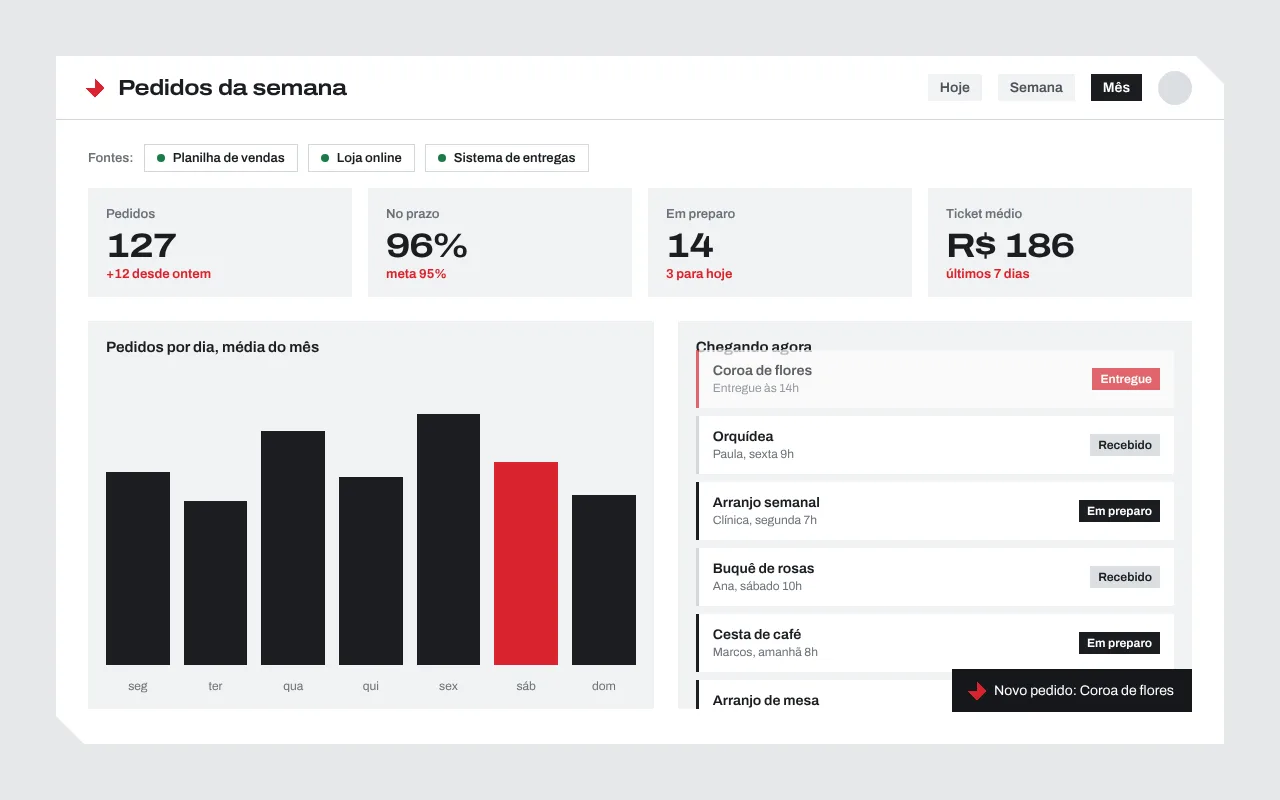
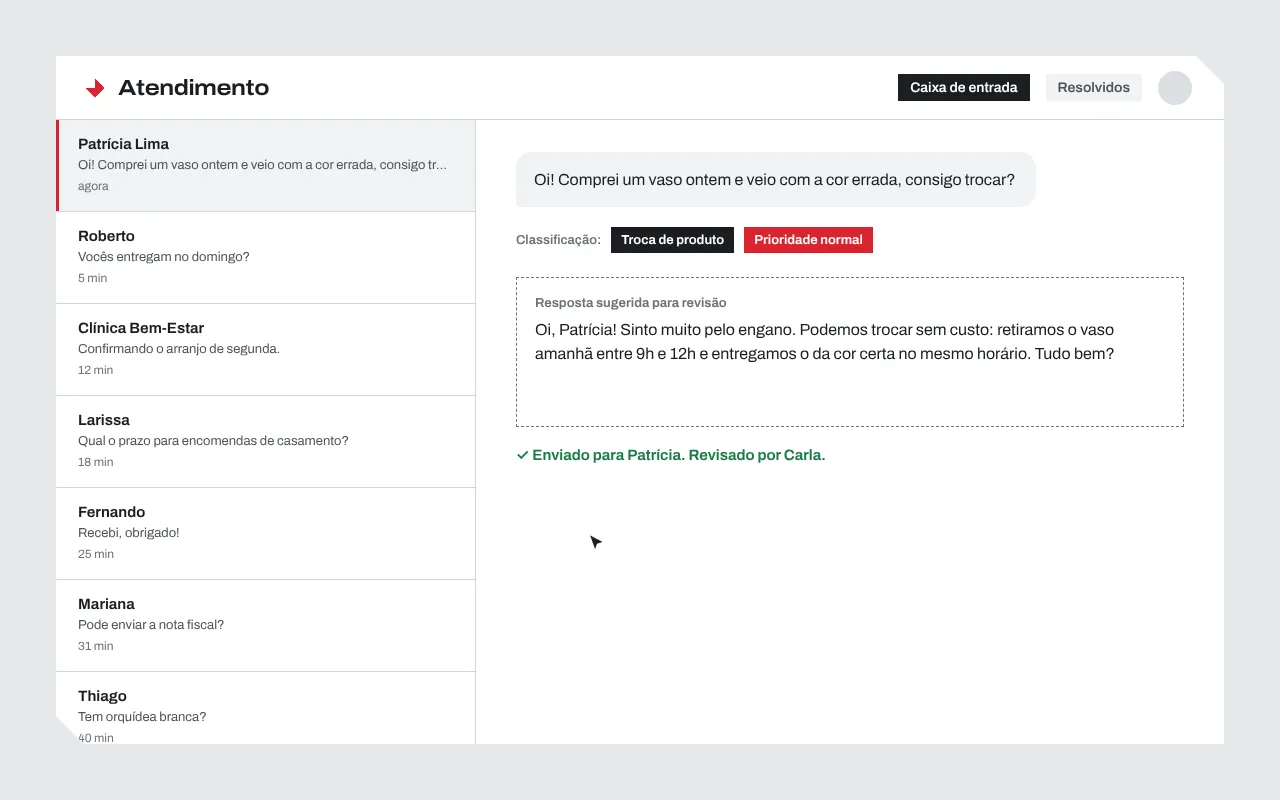
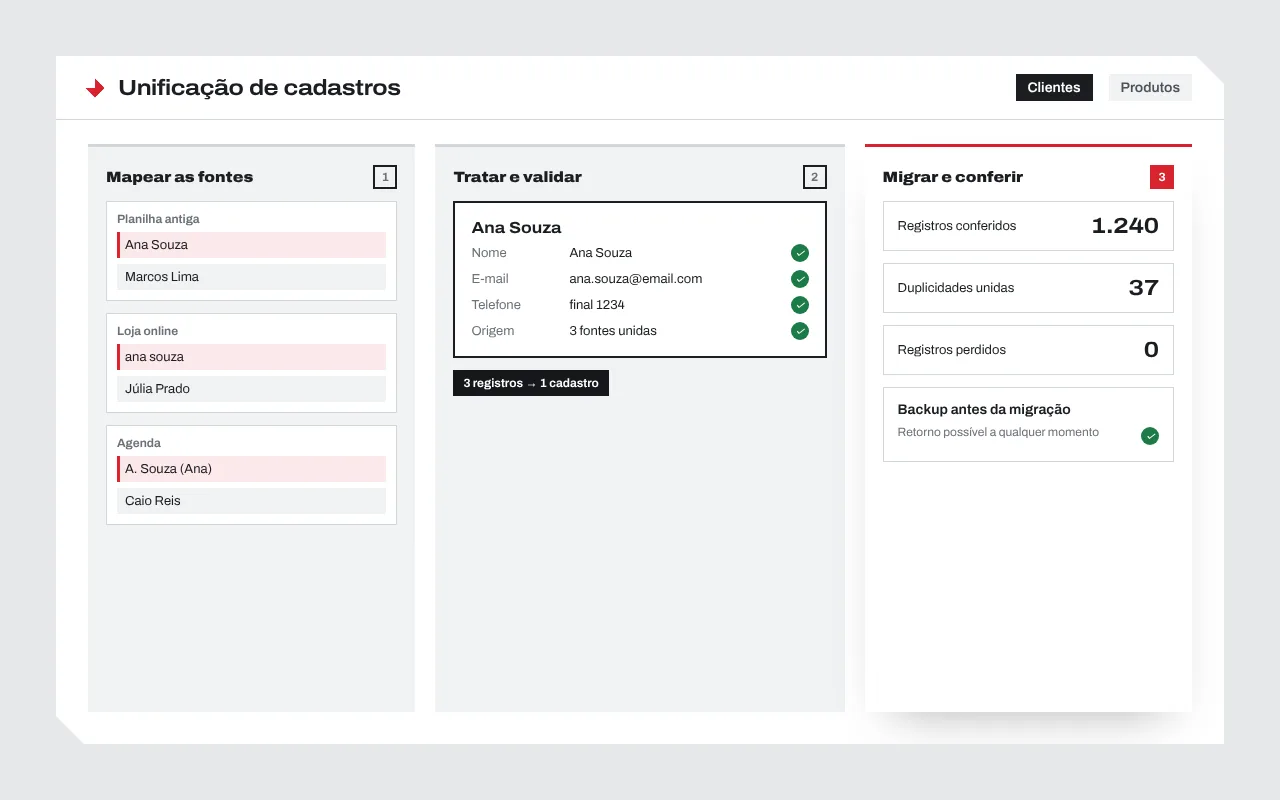
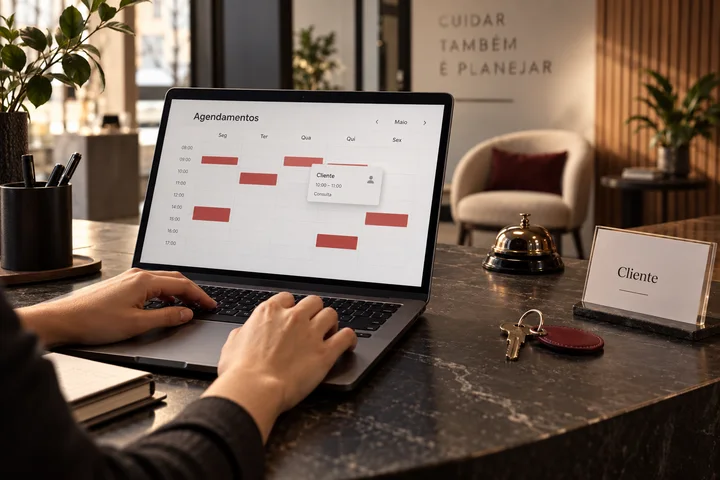
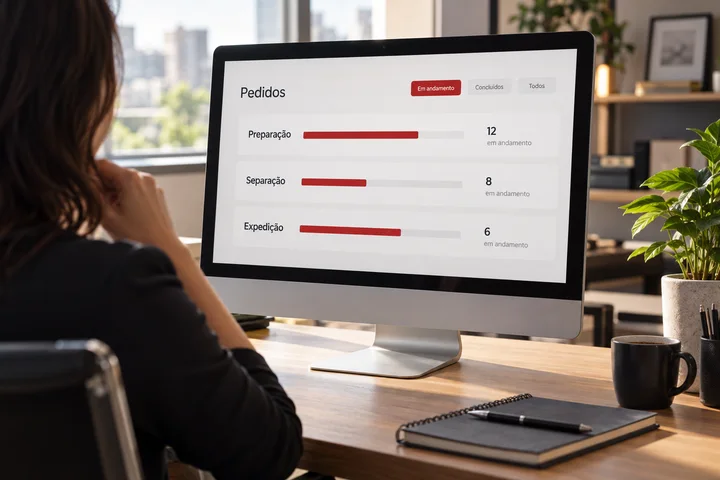
Example: a week at a flower shop

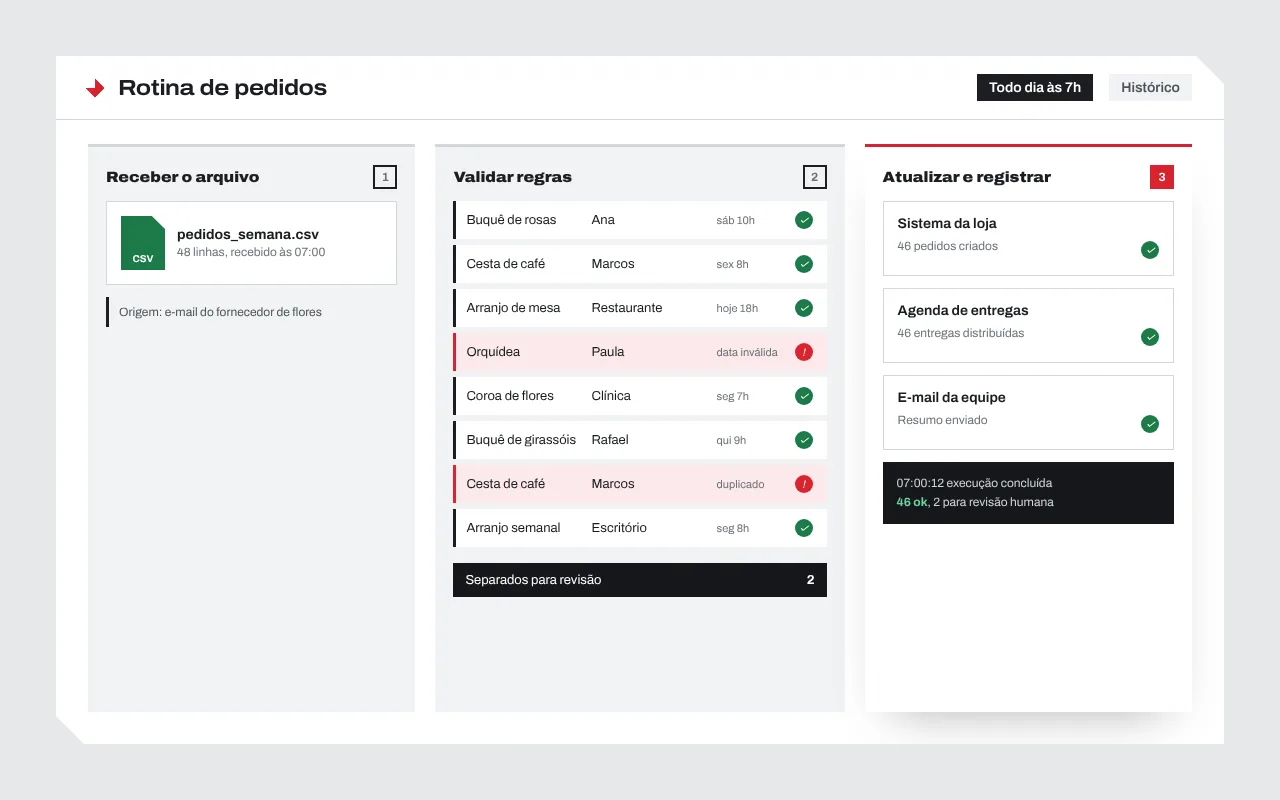
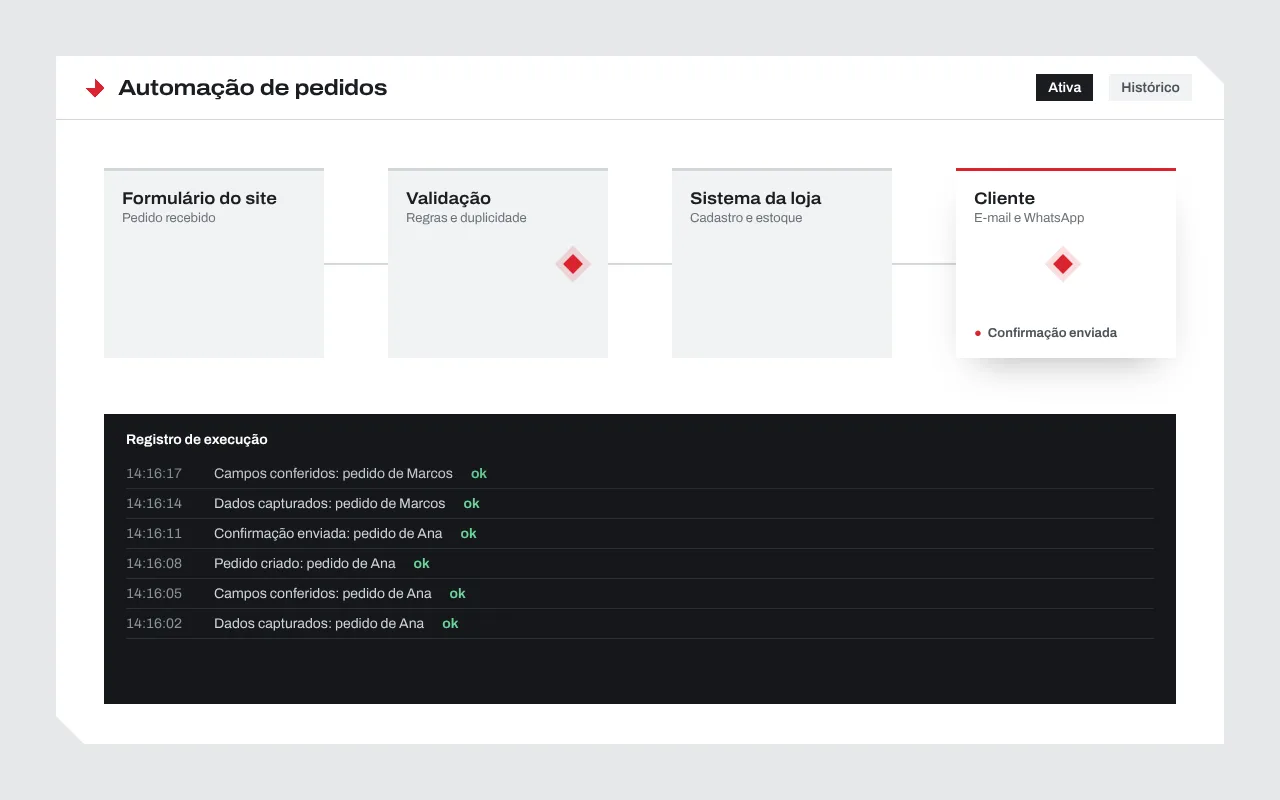
And the repetitive work runs itself.

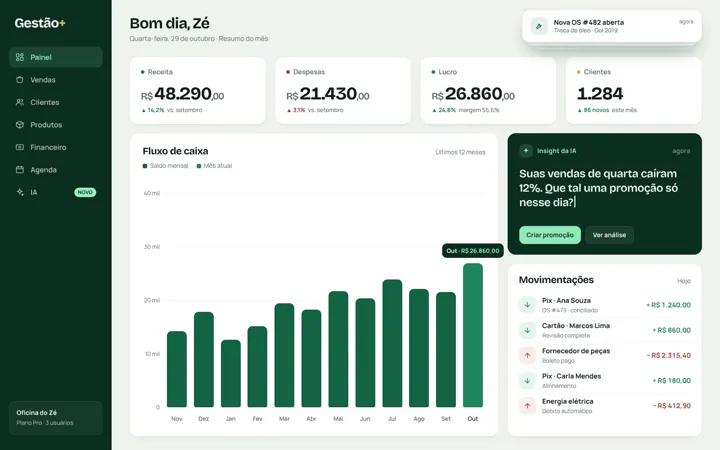
Low stock triggers a supplier order. The invoice goes out by email the moment a delivery is done.

Illustrative example with fictional data.

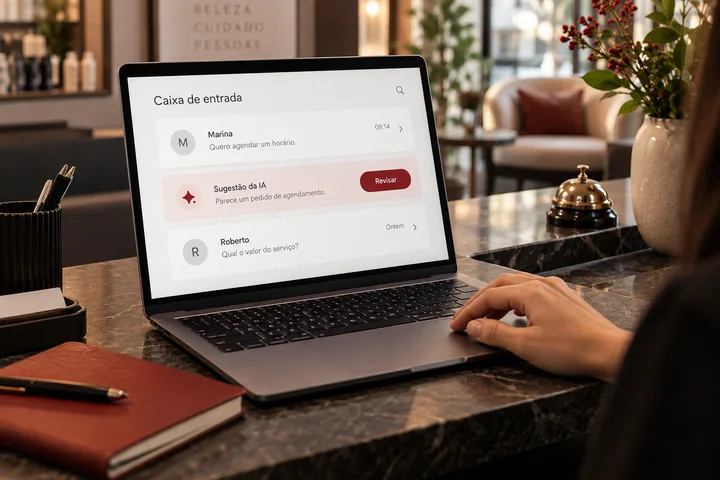
  • Before: Hi! Could you do 2 bouquets for Saturday morning? After: 2 bouquets, Ana, Saturday at 10 AM
  • Before: orders_FINAL_v3 (1).xlsx After: Breakfast basket, Marcos, tomorrow at 8 AM
  • Before: wedding arrangement 11/14... did they pay?? After: Wedding arrangement, Júlia, 11/14, paid
  • Before: (2-min voice note) the usual arrangement for the clinic's front desk After: Weekly arrangement, Clinic, Monday at 7 AM
  • Before: Who's got the delivery on Flower Street? After: Flower Street delivery, Caio, delivered at 2 PM
  • Before: Re: Re: Fwd: where's the invoice? After: Sympathy wreath, Invoice sent
  • Before: Check rose stock with the supplier!! After: Rose stock below minimum., Supplier order sent automatically.
Sound familiar?

Problems that come back every week start to feel like part of the job. Most of them can be fixed. Hover over or focus a card to see what changes. Swipe through all eight cards.

Analyze. Build. Connect.

Three verbs behind every project: understand the routine, build what's missing, and get your tools talking to each other.

Where to start?

Pick the goal closest to yours. We'll show you one way to get there.

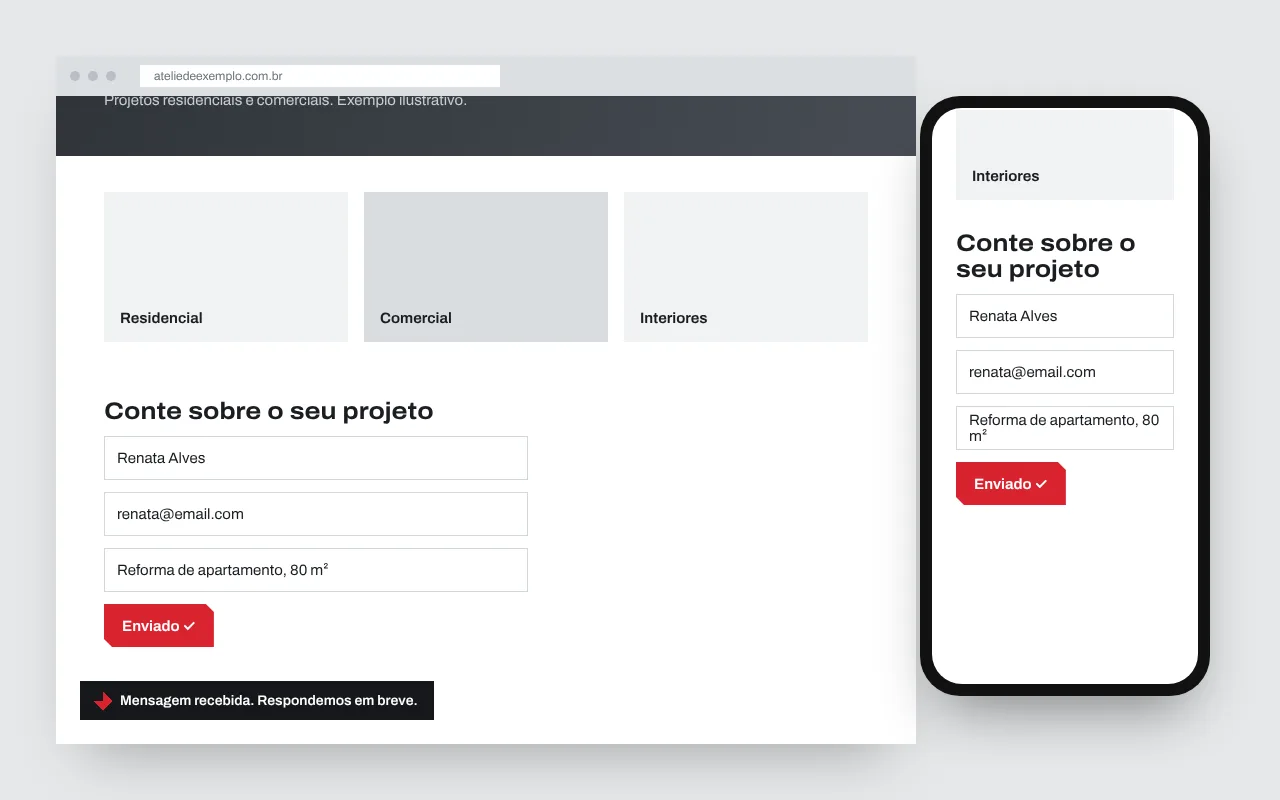
A presence that makes the next step easy.

Showcase your services, help people find what they need, and open a clear path to getting in touch.

  1. Your offer
  2. A clear experience
  3. The next conversation
Talk about this

How a project comes together

Four stages, and you're part of every decision. Documentation, support, and third-party costs are spelled out in the proposal.

  1. Understand

    We talk through your routine, what gets in the way, and what you want to achieve.

    You getA map of what needs to improve and where to start.

  2. Define

    We agree on deliverables, timeline, budget, and how each part will be validated.

    You getA proposal with a clear scope and next steps.

  3. Build

    We build in stages and show you working software you can test.

    You getVersions you use and refine along the way.

  4. Deliver

    We roll it out, train your team, and agree on maintenance and what comes next.

    You getThe solution running in your team's daily work.

How we work

We start with what slows your day down. We keep what already works, build what's missing, and connect it all so information gets where it needs to go. No off-the-shelf packages. No technology for its own sake.

Reuse before reinventing
We look at what your tools already do before building anything new.
Care with access and data
Permissions and who sees what are part of the design from day one.
Fast where it counts
We focus on the screens and tasks your team uses all day long.
Room to grow
Start small, on a foundation that can grow in stages.
Straight talk
Deliverables, limits, and scope changes discussed openly.

Support, agreed upfront
Training, documentation, and support defined in the proposal.

Tools we use

Every project calls for its own stack, chosen for its requirements, integrations, cost, and who will maintain it afterward.

Websites, web apps, and the screens people use every day.

  • React
  • Next.js
  • TypeScript
  • JavaScript
  • Vue.js
  • Angular
  • Svelte
  • Flutter
  • Tailwind CSS
  • Vite
  • HTML5
  • CSS3
  • Sass
  • Bootstrap
  • Figma

Chosen for the kind of system and the maintenance it will need.

  • Python
  • Node.js
  • Java
  • C#
  • PHP
  • Go
  • Rust
  • Kotlin
  • Swift
  • Dart
  • Ruby
  • Elixir
  • Scala
  • R
  • C
  • C++
  • Solidity

Well-structured services, APIs, and applications.

  • FastAPI
  • Django
  • Flask
  • NestJS
  • Express
  • Laravel
  • Spring

Store, query, and move information.

  • PostgreSQL
  • MySQL
  • MariaDB
  • SQLite
  • MongoDB
  • Redis
  • Firebase
  • Elasticsearch
  • GraphQL
  • RabbitMQ
  • Apache Kafka

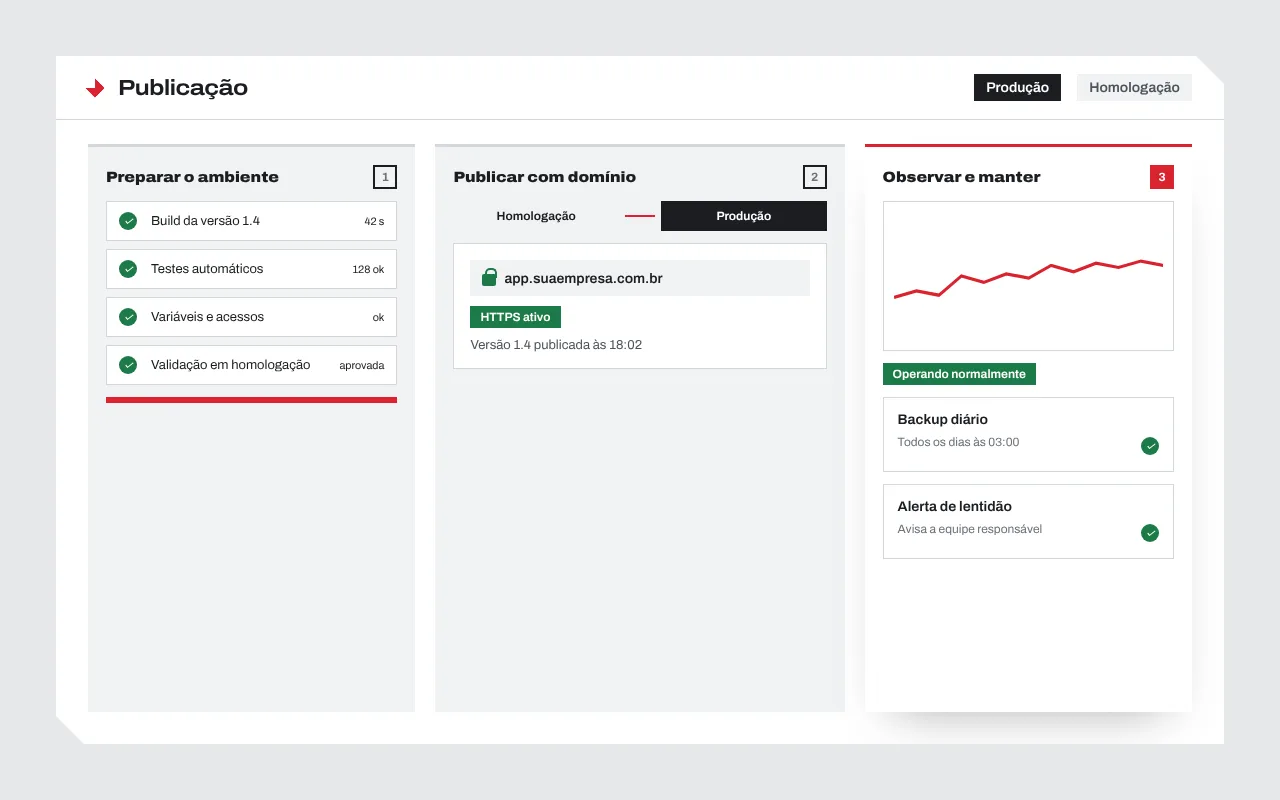
Deploy, maintain, and monitor the application.

  • Docker
  • Kubernetes
  • Linux
  • AWS
  • Azure
  • Cloudflare
  • NGINX
  • Terraform
  • Ansible
  • Git
  • GitHub Actions

Applied with context, quality criteria, and human review.

  • OpenAI
  • Anthropic
  • Gemini
  • Llama
  • Mistral
  • DeepSeek
  • Qwen
  • Grok
  • Perplexity
  • Ollama
  • Hugging Face
  • LangChain
  • TensorFlow
  • PyTorch

Names and trademarks belong to their owners and show our technical range, not partnerships. Icons: Devicon and SVGL, MIT License.

It starts with a conversation

Pricing comes from your needs, the scope, and the delivery terms. No fixed packages.

We weigh requirements, integrations, data volume, business rules, timeline, and responsibilities. You can also start with a smaller first release and grow from there.

Get a quote

Frequently asked questions

Do I need a finished spec to ask for a quote?

No. Tell us what you need to solve and which tools you use today. The conversation helps define a workable solution, the scope, and the investment. We can start with a smaller release.

Can we keep the systems we already have?

Yes, when those tools can be configured or integrated. We look at those options before proposing custom development.

How are timeline and support agreed?

Timeline, rollout, and support terms are set in the proposal. Costs for APIs, platforms, hosting, and maintenance are listed separately when they apply.

Does reaching out commit me to anything?

No. The first conversation is about understanding your situation. Work only begins if you approve a proposal.

Tell us what you need to solve

A short description of the problem is enough to get started. Scope and investment are agreed with you.

We work with companies in any country, in English, Spanish, or Portuguese, and schedule calls in your time zone.

After you reach out

  1. We learn what you need. We talk through your situation and what you want to improve.
  2. We align on scope. Priorities, options, and what makes sense to build first.
  3. We send a proposal. Deliverables, investment, and next steps, in writing.

Contact form

Fields marked * are required.

Optional. Helps us prepare for the conversation.

Please don't include passwords or confidential data.

Messages are sent through FormSubmit, straight to ClairiX.